 HELP CENTRE
Business Cards
Are Business Cards Still Worth It?
Apr
Yes. Business cards are still worth it. But here’s the thing: a bad business card is worse than no card at all.
The debate tends to split into two camps. One side says they’re dead. Everything’s digital now, nobody keeps paper cards anymore. The other says they’re timeless and every professional needs one. The honest answer sits somewhere in between, and it depends on who you are, what you do, and how you work.
If you’re a tradie, a real estate agent, a consultant, a café owner, or anyone who regularly meets potential clients face-to-face, custom business card printing is still one of the most cost-effective tools for making a strong first impression. For Australian businesses especially, that hasn’t changed.
Are business cards still relevant? Here’s a clear-eyed answer for 2025 and 2026, covering where they work best, where they’ve been overtaken, and what separates a card that gets kept from one that ends up in the bin.
Fair Enough: Let’s Address the Criticism
It would be easy to dismiss the “business cards are dead” crowd, but they’re not entirely wrong.
Smartphones mean anyone you meet can save your details in seconds. LinkedIn lets you follow up before you’ve even left the room. QR codes and digital cards can carry far more information than a piece of cardstock ever could. And plenty of cards get handed over, pocketed, and forgotten before the end of the week.
So the sceptics have a point. If your card is a flimsy, poorly designed piece of paper with text crammed into every corner, you’re probably better off without one. A forgettable card can actually hurt your brand more than help it.
But that’s an argument for better cards, not no cards.
Why Business Cards Are Still Relevant in 2026
The digital world hasn’t replaced in-person connection. It’s changed how we follow up, but not how we first connect.
When you meet someone at networking events, trade expos, a client meeting, or even a casual introduction through a mutual contact, exchanging a physical card does something that sharing a LinkedIn profile doesn’t. It’s immediate. It’s tangible. The recipient holds something that represents your brand, and that creates a different kind of lasting impression, one that sticks around after the conversation ends.
There’s a practical side to it too. Not every situation suits pulling out a phone. A tradie on a job site, a photographer at a wedding, a real estate agent at an open home. Handing a card to someone is faster, cleaner, and more professional in those moments than asking them to wait while you pull up your digital profile. No technology barrier. No “sorry, my phone’s flat.” Just a clean, confident exchange.
And if the card itself is well made, with quality stock, a clear logo, and a finish that suits your brand, it signals that you care about the details. That’s worth something in a first-impression moment.
Where Business Cards Carry the Most Weight in Australia
Not every industry treats cards the same way. Here’s where they still do the most work.
Trades and construction. Referrals are the lifeblood of trades businesses. When a happy customer recommends you to their neighbour, a business card passed along is how that recommendation becomes a real contact. A card stuck on the fridge or left on a workbench keeps your name in circulation long after the job’s done.
Real estate. Open homes, property inspections, community events. Agents are constantly meeting potential clients in situations where a card is the right call. Fast, professional, and no awkward phone-sharing required.
Professional services. Lawyers, accountants, consultants, financial advisers. Cards remain a standard at client meetings and industry events. Showing up without one reads as underprepared, full stop.
Hospitality and retail. Café owners, boutique retailers, market stallholders. A card at the counter or handed to a regular drives social follows, online reviews, and return visits. It’s a small thing that keeps the connection going.
Events and expos. Industry conferences, business networking nights, EOFY functions. These are high-density, time-pressured environments where you’re meeting a lot of people quickly. A traditional business card is still the fastest, most frictionless way to exchange contact details in that setting.
Business Cards vs. Digital Alternatives: It’s Not Either/Or
The smarter question isn’t “business card or digital card?” It’s “when do I use each?”
QR codes, NFC cards, and digital profiles are genuinely excellent for follow-up. They carry more information, update in real time, and work well in digital-first contexts. But the card in hand wins at the moment of first contact. It’s faster to hand over, it works without phone signal, and it doesn’t require the recipient to scan, tap, or download anything.
The best approach for most businesses is both. Hand over a card and include a QR code on the back that links to your website, your LinkedIn profile, or a digital contact page. You get the immediacy of a direct exchange and the depth of a digital connection in one move.
The goal with either format is the same: stay connected after the conversation ends, and make it easy for the other person to reach you when the moment is right.
What Makes a Business Card Worth Keeping
This is where most articles on this topic fall short. They’ll make the case that business cards still do the job, but they don’t tell you that quality is what determines whether yours actually does it well.
A card printed on thin, flimsy stock with ink that smudges or colours that look nothing like your actual brand is doing you a disservice. It signals that you cut corners. And in a first-impression context, that’s the last thing you want.
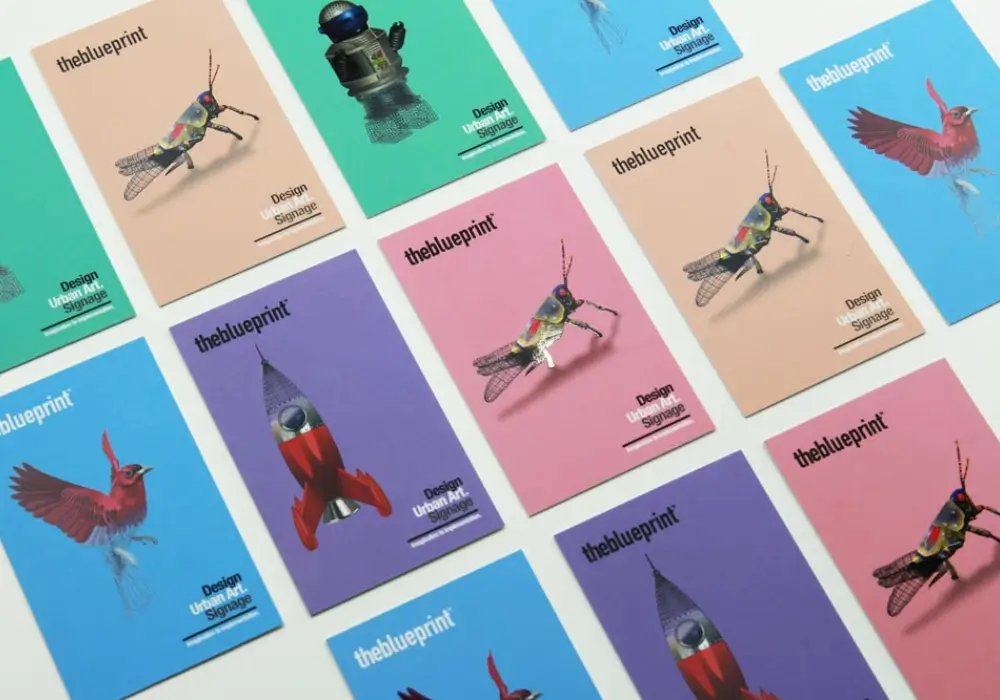
The cards that get kept have a few things in common. They feel right the moment someone picks them up. The paper has some weight to it. The finish, whether matte, gloss, or soft-touch, suits the brand. The logo is clear. The contact information is legible, with enough breathing room to actually read it. Nothing is crammed in just because there’s space.
You don’t need anything elaborate to get this right. A clean, well-designed card on quality stock does the job properly. That’s what separates a card that lives in someone’s wallet for months from one that goes straight in the bin.
It’s also worth thinking about what you put on the card itself. Name, role, phone number, email, and a website link are usually enough. Resist the temptation to include every social handle and piece of contact information you have. Less is clearer, and clearer gets kept.
When You Probably Don’t Need a Business Card
Being straight with you: not everyone needs one.
If you work entirely online, with clients you’ve never met, no in-person contact, and leads coming in through a website or social media, a business card probably won’t move the needle for you. If you’re a remote-only freelancer working with international clients, your digital profile and email signature cover the same ground more efficiently.
But if you meet clients in person, attend industry events, work on-site, or rely on word-of-mouth referrals, the calculation tips strongly toward yes.
Frequently Asked Questions
Do people actually use business cards anymore?
Yes. At trade shows, professional conferences, and in-person sales environments, business cards remain a regular part of professional networking. The formats have evolved: heavier stocks, spot UV finishes, QR codes on the back. But the behaviour hasn’t changed. People still hand them over, and people still keep the ones that stand out.
What has replaced the business card?
Nothing has fully replaced it. QR codes, NFC cards, and LinkedIn profiles have complemented the traditional business card rather than replaced it. Digital tools are better for follow-up and for carrying a lot of information. The printed card still wins at first contact. Most professionals who think about it carefully use both.
Are business cards out of style?
Not in Australia’s trades, real estate, hospitality, and professional services sectors. In those industries, showing up with a card is still the norm, and showing up without one still gets noticed. For client-facing roles and face-to-face networking, they remain a practical standard.
Are paper business cards worth using?
Yes, and the physical experience is a big part of why. Handing someone a well-made paper card leaves a different impression than swapping digital profiles. The weight, the finish, the feel of it all communicate something about your brand before the person has read a word. That tactile quality is a feature, not a flaw.
The Verdict
For most Australian businesses and professionals: yes, without question.
The case isn’t that a business card is better than a digital alternative. It’s that it does something a digital profile can’t do cleanly. It makes a fast, tangible, brand-first impression at the exact moment you meet someone. That moment still matters.
Want to understand why the business card has survived every wave of new technology? It’s worth reading about the history and evolution of business cards. The reasons they stuck around are the same reasons they’re still worth printing today.