
 HELP CENTRE

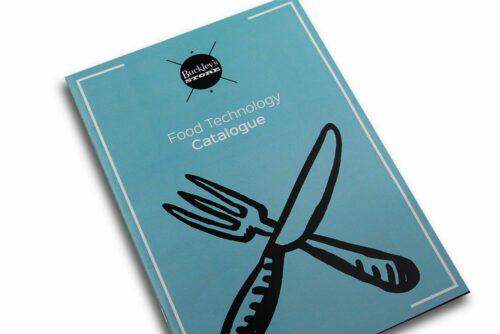

Business Cards
Business Card Materials, Finishes and Paper Stock: A Practical Guide

Apr
Most people put real effort into their business card design. They refine the layout, argue over fonts, and try different colour combinations until something clicks.
Then they reach the material and finish options and pick whatever sounds closest to what they want.
It’s an understandable shortcut. But the paper stock, finish, and printing technique your card is produced on shapes how it looks, how it feels, and what impression it creates in the moment it’s handed over.
This guide covers all three decisions in one place. Before your card reaches this stage, make sure your artwork is set up correctly. Our business card bleed and trim guide covers everything you need to know before sending files to print.
Understanding Paper Weight: GSM Explained
GSM stands for grams per square metre. It’s the standard measurement Australian printers use to describe how heavy and thick a paper or cardstock is.
The higher the GSM, the heavier and more rigid the card.
For business cards, these are the practical ranges:
- 300–350 GSM: Standard weight. Serviceable for short runs and budget orders. Cards at this weight are functional, but they can feel a little insubstantial in hand.
- 400 GSM: The right choice for most professional cards. It has a solid, confident feel, holds finishes well, and sits at a price point most businesses can justify.
- 450–600 GSM: Ultra-premium or double-thick territory. Noticeably heavier than anything in a standard cardholder. Used when the card itself is meant to make a statement.
At Space Print, our premium business cards are printed on 400 GSM stock. It’s the weight we’d recommend for most small businesses.
You may also come across “pt” (points) if you’re comparing international printers. It’s a US measurement: 14pt is roughly equivalent to 350 GSM, and 16pt is close to 400 GSM. Australian printers use GSM as standard. If you see pt in a quote, ask your printer for the GSM equivalent.
Business Card Paper Stock Types
GSM tells you how heavy the card is. The stock type tells you what it’s made from and how the surface behaves.
Coated stock
The most common base for printed business cards. Coated stock has a smooth surface layer that allows ink to sit cleanly on top, which means sharper text and more vivid colour reproduction. Most laminate finishes are applied to coated stock.
Uncoated stock
Uncoated stock has a natural, slightly tactile texture. Ink absorbs into the surface rather than sitting on top of it, which gives colours a softer, more muted appearance. It suits brands with a craft, organic, or understated aesthetic. Uncoated cards are also writeable, which matters if you’re adding handwritten notes on the back.
Linen stock
This stock has a subtle woven texture pressed into the surface. It gives cards a distinctive quality without requiring a special coating. A good choice for professional services businesses where the texture implies quality without being obvious about it.
Recycled and kraft paper
Recycled paper stock is made from post-consumer or post-industrial material. Kraft stock has a similar earthy aesthetic: warm brown tones, an uncoated surface, and a natural feel. Both options recycle cleanly and suit brands in sustainability, food, wellness, or lifestyle sectors.
Specialty materials
For specific brand purposes, there are non-paper options worth knowing about:
- PVC/plastic: Waterproof, durable, and available in translucent versions. Suits industries where cards take physical wear, like trades or hospitality.
- Metal and wood: Ultra-niche and high cost. They won’t fit most card holders, require specialist printers, and have a limited practical use case. Worth knowing they exist, but not the right call for most businesses.
Business Card Finishes: What They Are and How to Choose
The finish is the coating applied to the printed surface of a card after it comes off the press. It protects the card and has as much influence on the look and feel as the design itself.
Here’s where many people fall into a trap. They design a minimal, mostly white card and order a shiny laminate without thinking about the two together. Gloss on a white-heavy design emphasises fingerprints, dulls contrast, and rarely looks as clean in person as it did on screen. The finish needs to suit the design. Choosing one before the design direction is settled is putting the cart before the horse.
Here’s a side-by-side comparison to help you choose:
| Finish | Look | Feel | Best suited to |
|---|---|---|---|
| Gloss laminate | Shiny, vivid | Smooth | Bold imagery, photography, dark backgrounds |
| Matte laminate | Flat, refined | Smooth | Minimal designs, text-heavy layouts |
| Soft touch / velvet | Flat, premium | Velvety, tactile | Luxury or premium brands |
| Spot UV | Shiny contrast on matte | Slightly raised | Highlighting logos or key design elements |
| Satin / silk laminate | Mid-sheen, balanced | Smooth | All-round use, versatile appeal |
| Uncoated | Natural matte | Slightly textured | Craft brands, writeable backs |
A few practical notes:
- Soft touch is the most tactile of the laminate finishes, often compared to the feel of a peach skin. It scratches more easily than gloss or matte, so it’s best suited to cards that aren’t handled constantly.
- Spot UV only works on a matte laminate base. It can’t be applied to a shiny laminate.
- It offers a middle ground between a shiny and flat finish. If you’re not sure which direction to go, satin is the safe choice.
Browse SpacePrint’s full range of business card to see what’s available before you finalise your design.
Business Card Printing Techniques
The printing technique determines how ink and embellishments are applied to the card. Most cards you’ll order are produced digitally, but there are other techniques worth understanding.
Digital printing
The standard for most business card orders. Fast turnaround, cost-effective for short to medium runs, and capable of excellent colour reproduction. For most orders under a few hundred cards, digital is what you’ll get.
Offset printing
Used for large volume runs where colour consistency across thousands of cards needs to be exact. Setup costs are higher, but the per-unit price drops significantly at scale.
Foil stamping
A metallic foil is applied to specific areas of the card using heat and pressure. Gold, silver, and rose gold are the most common options. It’s a premium effect that works best on a focused design element, like a logo or brand name. Foil requires a compatible base stock and is usually combined with a matte or soft touch laminate.
Spot UV
A high-shine UV coating applied selectively over a matte laminate base. The contrast between the flat background and the raised shiny element creates a tactile, premium effect. Commonly used to highlight logos, brand marks, or borders.
Letterpress and embossing
Both are available from some Australian printers and create deeply tactile results. Letterpress presses ink into thick cardstock. Embossing raises or indents design elements without ink. Space Print doesn’t currently offer these two, but they’re worth knowing about if you’re comparing quotes from specialist printers.
Choosing the Right Combination
The material, finish, and printing technique aren’t three separate decisions. They work together, and the best cards come from thinking about all three at once.
Here’s the part most guides skip over. A 400 GSM card with a shiny laminate will feel completely different from the same 400 GSM card with soft touch, even though the weight is identical. The finish changes the experience of the card entirely. Always think about what the person on the receiving end will feel and see, not just what looks right on screen.
Here are a few pairings that tend to work well:
Professional services (accountant, lawyer, consultant)
400 GSM coated stock, matte laminate, digital print. Clean, confident, and readable. No embellishments needed.
Creative or design-led brand
400 GSM coated stock, soft touch laminate, spot UV on the logo, foil stamping on the brand name. Tactile and visually distinctive without being overdone.
Eco-conscious brand
Recycled or kraft stock, uncoated, no laminate, digital print. The natural character of the stock does the work. Laminate would undercut the message.
Hospitality or luxury
450 GSM+ ultra-thick stock, soft touch laminate, foil stamping. Heavy in hand and premium in every detail.
The goal is to customise the combination to your brand, not just tick boxes. There’s no single right answer. There’s only the right answer for what you do and who you’re trying to impress.
Common Mistakes When Choosing Business Card Materials
Going too light on the GSM
Cards at 250–300 GSM feel more like thick paper than cardstock. They bend easily and don’t project confidence. Go with 350 GSM at a minimum. If the budget allows, 400 GSM makes a noticeably better impression.
Choosing the finish before locking in the design
The design and finish need to work together. Settle the design direction first, then choose a finish that suits it.
Ordering a shiny laminate on a minimal design
Gloss works on bold, colourful, image-heavy cards. On a white-heavy or minimal design, it often looks cheaper than matte, not more premium. The finish should complement the design, not work against it.
Choosing novelty materials without thinking through practicality
Metal and PVC cards are distinctive. But they don’t fit most card holders, cost significantly more per unit, and require specialist printers. Make sure the format suits how you and your clients actually use cards.
Not checking what your printer offers before you design
Not every finish or technique is available from every printer. Confirm what’s available first, before you design toward a specific outcome and find out it’s not on offer.
Frequently Asked Questions
Is 250 GSM good for business cards?
It’s too light for most professional uses. At 250 GSM, cards feel more like thick paper than cardstock. For a card that projects confidence, go with 350 GSM at a minimum.
What is the best cardstock for business cards?
For most purposes, 400 GSM coated stock is the ideal business card paper. It’s heavy enough to feel premium, holds finishes well, and is widely available from Australian printers.
What weight of cardstock is used for business cards?
Standard business cards typically use 300–350 GSM. Premium cards sit at 400 GSM. Ultra-thick options run from 450–600 GSM.
What’s the best thickness for a business card?
Thickness is as much a feel decision as a spec decision. 400 GSM strikes the right balance for most purposes: substantial enough to feel considered, not so heavy it won’t sit in a standard holder.
Is a shiny or matte finish better for business cards?
Neither is better across the board. Gloss suits bold, colourful, image-heavy designs. Matte suits minimal, text-focused layouts. If you’re not sure, a silk laminate is a reliable middle ground. Soft touch is the choice when you want something that genuinely feels premium.
Can I get recycled paper business cards?
Yes. Recycled paper stock is available from most Australian print providers, including Space Print. It’s a good fit for brands where sustainability is part of the identity.
Ready to Order?
Material, finish, and printing technique sorted. The next step is working out what it all costs.
See our guide on business cards cost to plan your budget before you place an order.