by James Eyre on April 3, 2012
Passing out a business card
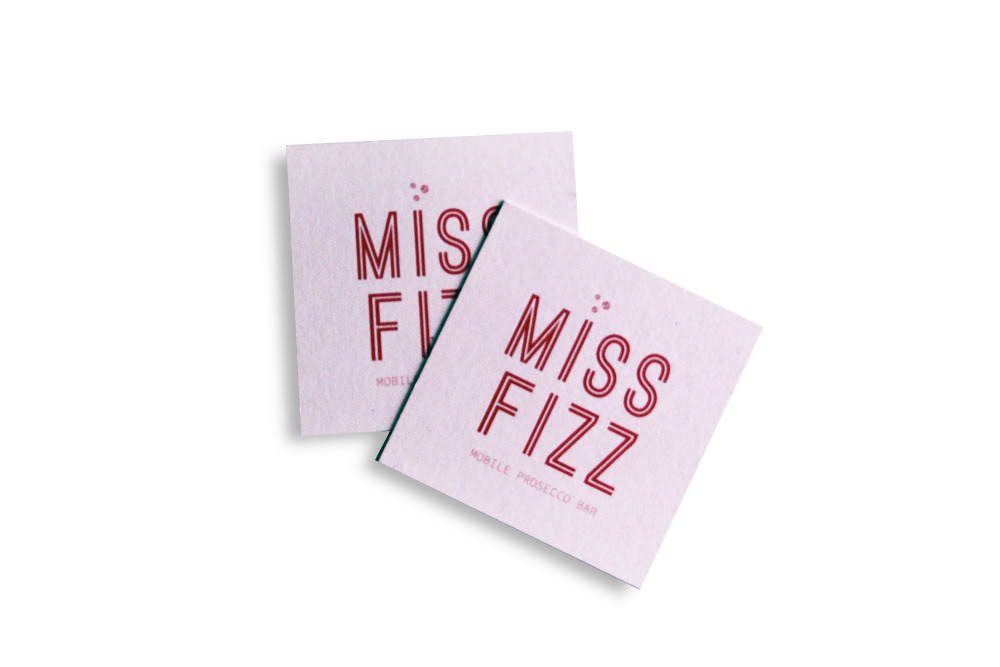
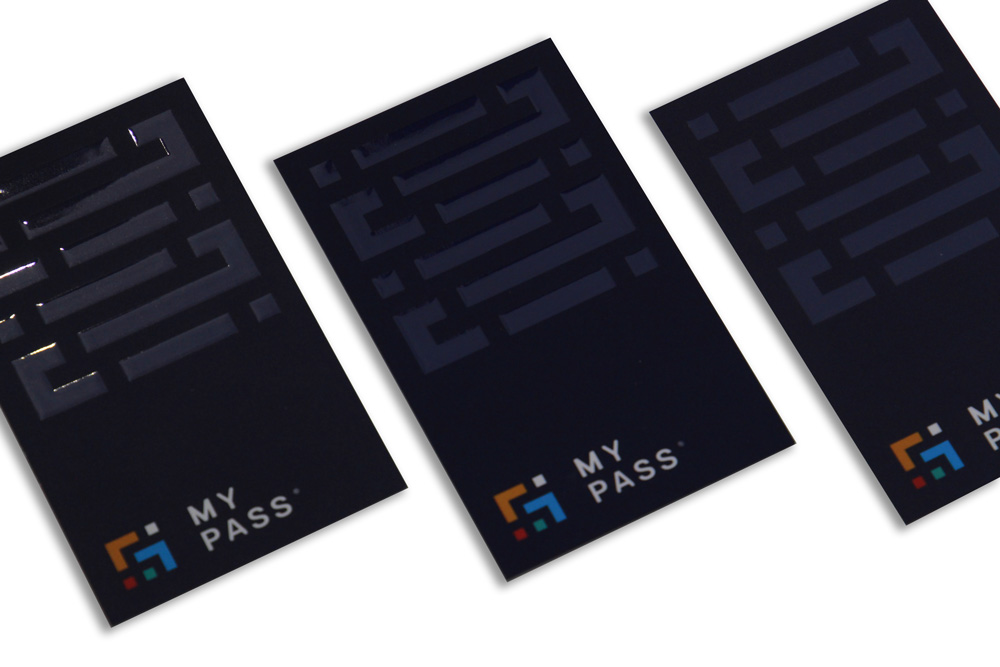
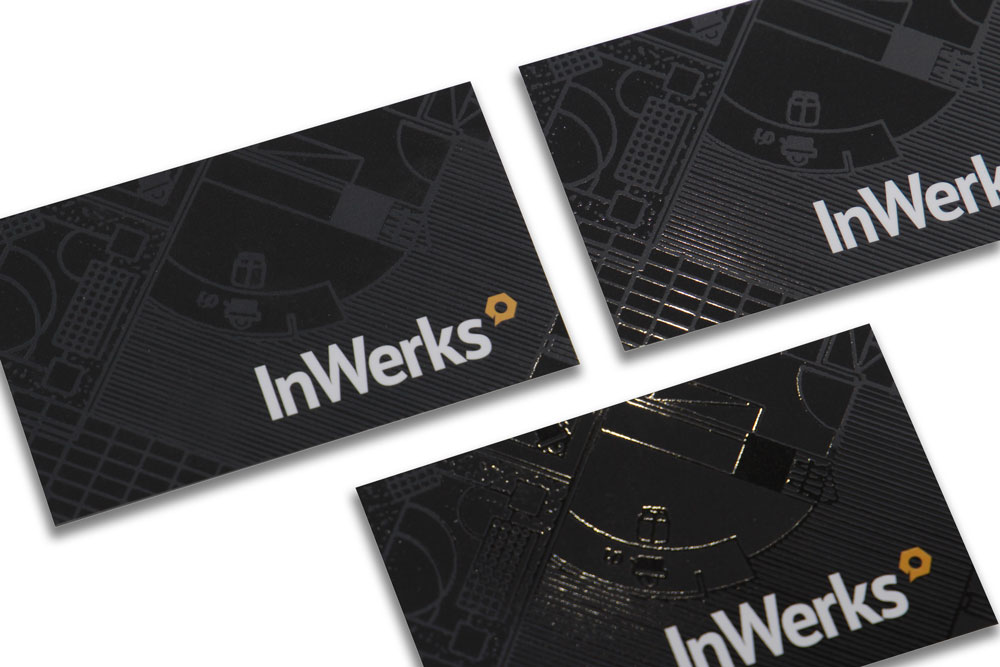
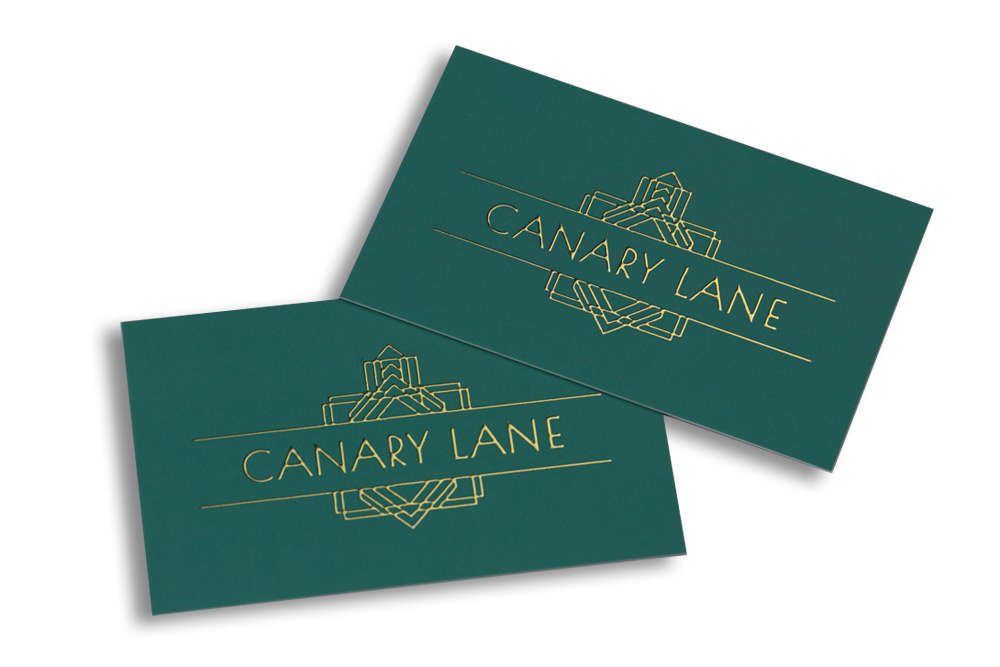
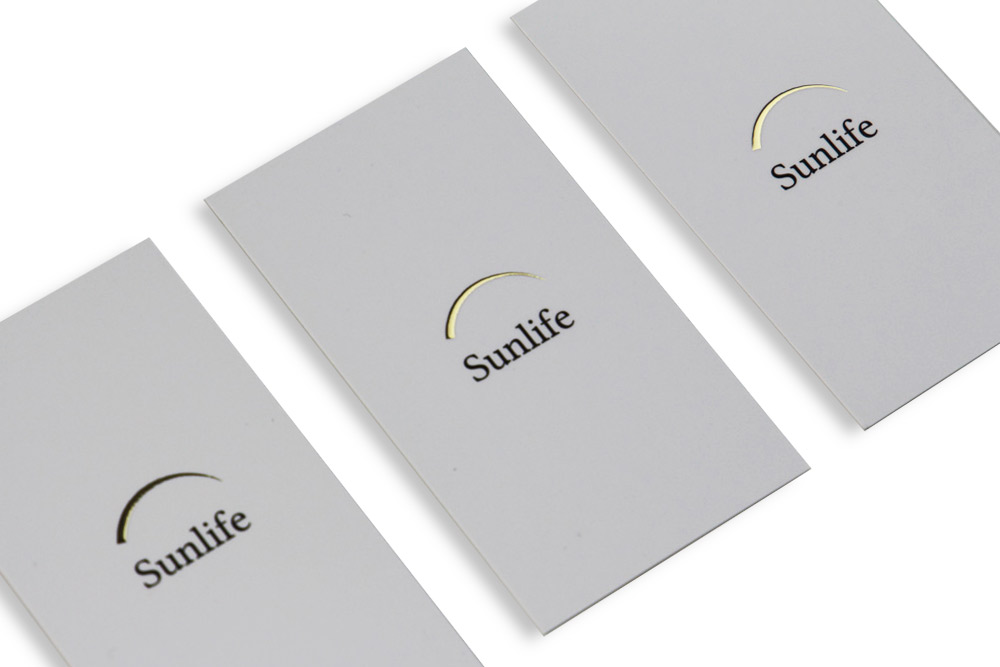
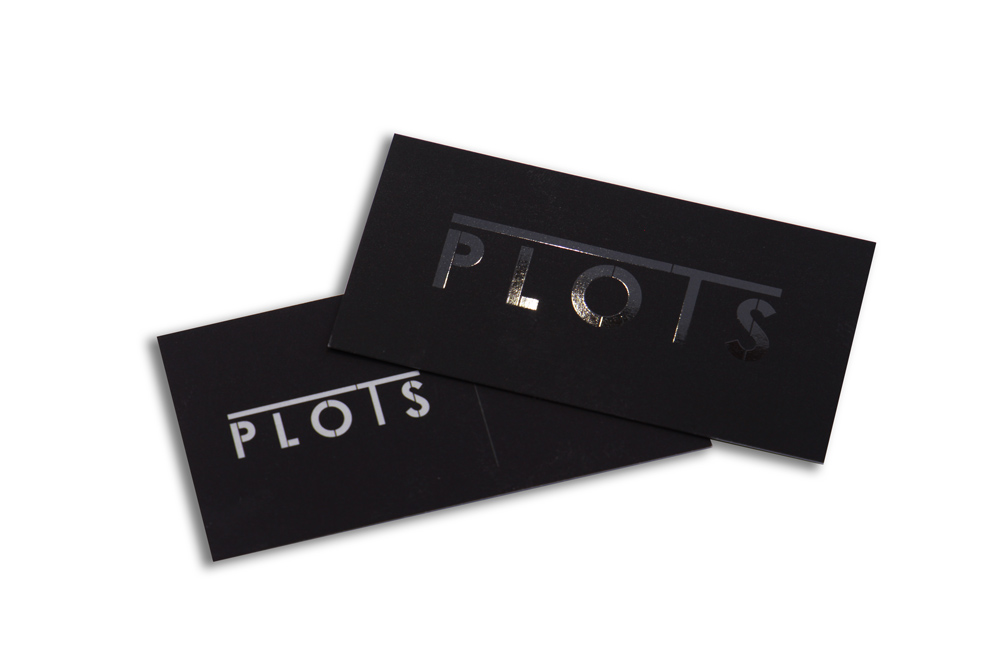
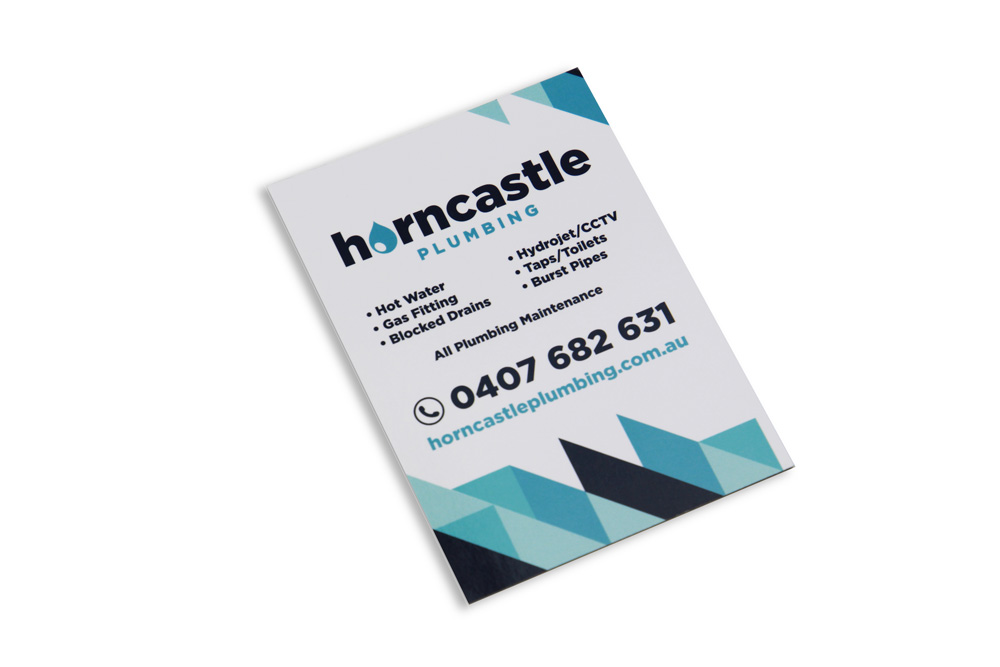
when meeting potential employers gives job seekers an extra edge and helps create a memorable first impression. In our current declining job market where standing out and making a great first impression is an extremely important element in getting the job you want, using business card mini resumes is becoming more and more popular.
Traditionally business cards have been the tool of the employed or small business owner which allowed them to give their potential clients contact details and sometimes provide details of services they provide. Occasionally, we are now receiving orders from job seekers that are wanting to use business cards as a tool for providing potential employers with their contact details and a small summary of their skills.
These business card sized resume are not a full blown resume they provide just enough details to get the employer interested as well as contact details so if they want to find out more they can. Information that should be included on these cards are the job seekers contact details such as name, phone number and email, any qualifications or certificates and also possibly putting some career highlights on the back of the card can be an effective way to make it more memorable.
From speaking to job seekers that have used these mini resumes we have discovered that they find it much more convenient to carry around a stack of business cards than a pile of resumes. They also keep them on hand all the time so if they find them self in a situation where there is a potential employment opportunity they can easily go to their wallet and pass them on to the employer.
When creating these business card resumes there is no need to purchase the fanciest, most expensive cards out there. Keep it simple but make sure that it gives the potential employer a reason to call you.
Space Print offers discounted business card design and printing to job seekers, for more info please email info@spaceprint.com.au
by James Eyre on March 19, 2012
As an online printing company, Search Engine Optimisation has become more and more important to our online marketing strategy. Ranking high on Google and other major search engines will help you to receive free search traffic to your website so we thought putting a quick On-Page SEO checklist together would be a helpful way to get you started. On-page SEO is the process of optimising the content of your website, such as titles, descriptions, text, images and headings to achieve high rankings within the search engines and create conversions on your website. Below is a quick checklist of items that should be done to achieve this:
- Effective Title Tags – Page title tags are the single most important On-page SEO piece on your website. Each page should have its own unique keyword rich title tag, be no longer than 70 characters long and should have your main keywords towards the start of the title. Unless your people are searching for your business name this should be put at the end of the Tag or possibly not there at all.
- Meta Description – Although meta descriptions do not hold a lot of weight in pulling rank in the search engines it is extremely important that they are well written and entice the searcher to click on you listing as this is the text they will see under your title tag when your website is shown in the search results. Meta Descriptions should not be any longer than 150 characters.
- Meta Keywords – Meta keywords have become pretty much useless now as a ranking factor due to abuse and spamming. So don’t waste your time optimising these and if you hire an SEO company that is billing by the hour and spending a lot of time on these you are definitely getting ripped off (Speaking from experience!).
- Heading Tags – Heading tags help tell the search engines the hierarchical structure of your websites content. By inserting your keywords in your H1 tag you will be telling the search engines that the content on the page is relevant to your keywords. Also remember not to have more than one H1 tag per page.
- Keywords in URL – If it is possible when setting up your website structure it is beneficial to include the main keyword for each page within the URL. Use hyphens in preference to underscores or plus symbols when separating words and keep URLs as short as possible.
- Alt Attributes – Also know as Alt Tags, are used by browsers in the case that the image doesn’t show. The text should be well written and give an accurate description of the image. Benefits from adding these tags is that it will give the search engine further context for the text that is on the webpage. It can also help your images be included in images searches which could provide additional traffic to your website.
- Internal Linking – Creating internal links between pages on your site will help users navigate effectively between content and will increase the useability of the website. By using keywords in the anchor text it will help pages rank higher in the search engines as it provides information on what the page is about.
- Sitemap – Sitemaps provide both users and search engines with an easy way to navigate and find content on your website. You should also submit sitemaps to the leading search engines to ensure they are indexing all of the pages. This is easily done by creating an XML Sitemap and submitting it through Google’s webmaster tool.
Although there are many other ranking factors that the search engines use, by performing this quick checklist you can be sure that your on-page optimisation will be helping your website achieve your online marketing goals.
Space Digital is an Australian owned SEO Gold Coast company providing both on-page and off-page SEO solutions. Also check out Space Print for high quality, super cheap business cards!